An Overview Of The Different Tennis Court Surfaces

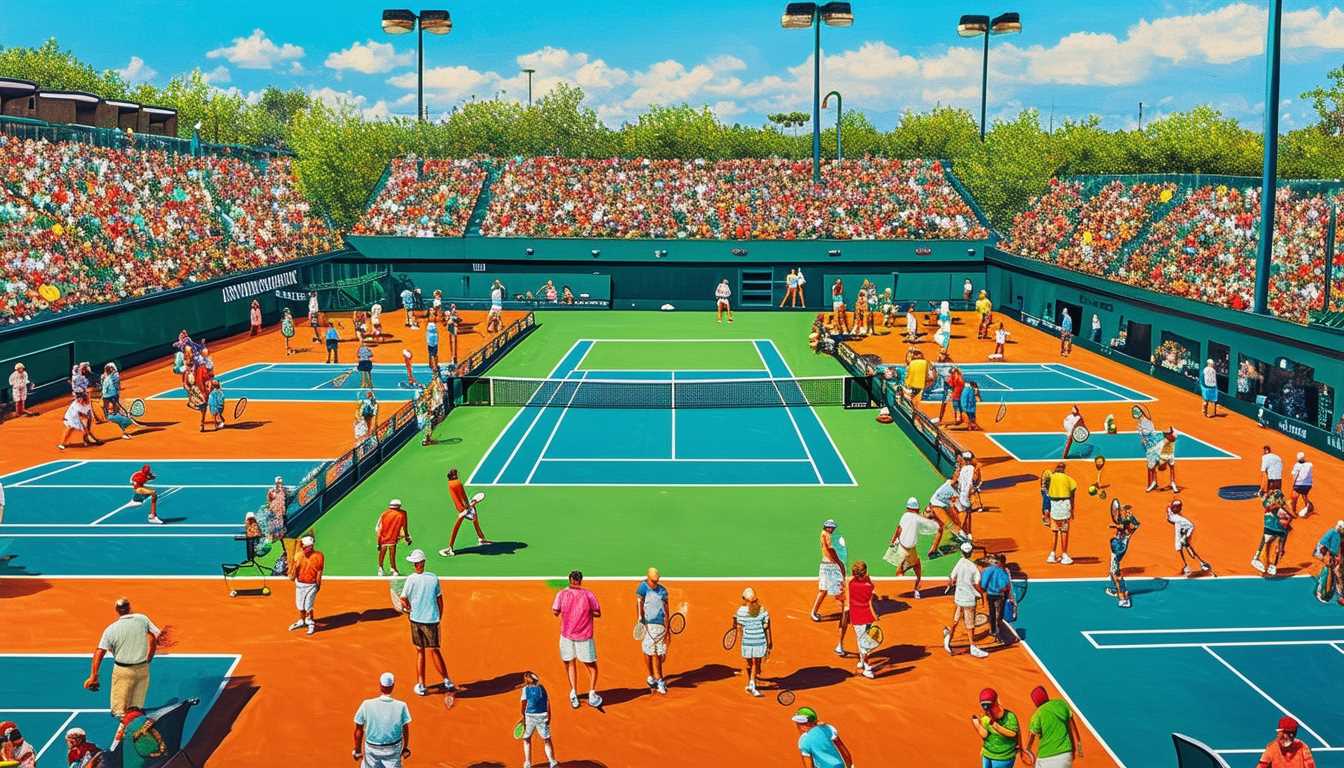
Tennis court surfaces greatly influence how the game is played, offering distinct challenges and benefits. The famous grass courts of Wimbledon, the clay courts at Roland Garros, and the hard courts at both the Australian Open and US Open each affect the game’s speed and style. They also push players to adapt and use a wide range of skills.
Besides these, there are carpet courts and some new types of surfaces being introduced. Let’s talk about how these surfaces change the game, affecting how players perform and the strategies they use.
The Grass Court Tradition
Grass courts bring a distinct flavor to the game of tennis, making the matches on this surface quite fascinating. Unlike clay or hard courts, grass courts speed up the game. This is because the ball travels faster after bouncing, leading to quicker points. This aspect benefits players who excel in serve-and-volley tactics – a technique where a player serves and quickly moves forward to volley the return.
On grass, the ball’s behavior can be somewhat unpredictable due to the natural variations in the grass itself. This means that sometimes the ball might not bounce as high or in the direction you’d expect. Players, therefore, need to be on their toes, ready to adapt their game plan on the fly. This unpredictability adds an extra layer of excitement and challenge to the match, pushing players to fine-tune their precision and strategy.
Grass courts have a storied history within tennis, hosting some of the sport’s most renowned tournaments. The Wimbledon Championships, for example, is the oldest tennis tournament in the world and is played on grass. This tradition adds a sense of prestige and honor to the competitions held on grass courts, highlighting their importance in the world of tennis. Players competing on this surface are part of a long lineage of tennis history, demonstrating their skills in a format that has tested the greatest in the sport.
The unique qualities of grass courts – the fast pace, the need for quick reflexes, and the demand for adaptability – make watching and playing tennis on this surface a thrilling experience. Whether you’re a player adjusting your serve-and-volley technique or a fan appreciating the quick exchanges and strategic plays, grass court tennis offers a dynamic and engaging aspect of the sport that stands out from other surfaces.
Clay Courts Explained
Clay courts offer a unique challenge in the world of tennis, altering the pace and strategy of the game drastically when compared to the faster grass courts. These courts consist of crushed shale, stone, or brick, which gives them a high friction surface with a loose top layer. This combination slows the ball down and causes it to bounce higher, forcing players to adapt their gameplay. On clay, success hinges on strategic baseline exchanges and the stamina to endure longer points, rather than relying solely on speed.
The color of clay courts, typically red but sometimes green, is as distinctive as its impact on play. The surface demands excellent footwork and a strong strategic mind, rewarding players who excel in constructing points and engaging in lengthy rallies. These aspects make matches on clay both a physical and mental marathon, showcasing the versatility and adaptability of players.
For example, Rafael Nadal, often referred to as the ‘King of Clay,’ exemplifies how mastering this surface can lead to significant achievements in tennis. His success demonstrates the importance of skill, endurance, and tactical intelligence on clay courts.
Understanding the nuances of clay court play is crucial for any tennis player looking to excel on this surface. It requires not just physical preparation but also a mental readiness to engage in intense, drawn-out battles. For those looking to improve their game on clay, focusing on endurance training, improving footwork, and practicing strategic point construction are key areas. Additionally, selecting the right equipment, like shoes with proper grip and rackets suited for heavy, high-bouncing balls, can make a significant difference.
Hard Courts Uncovered
Let’s dive into the world of hard courts, a key element of tennis that offers a stark contrast to the slower, more strategic play found on clay courts. Hard courts have a solid foundation made of concrete or asphalt, which is then coated with an acrylic layer to seal the surface and create the lines for play. This construction results in a faster game because the ball doesn’t lose much energy when it bounces and tends to fly higher off the ground. This changes how players approach the game, pushing them towards a style that includes strong serves and fast shots from the back of the court.
The predictability and consistency of the ball’s bounce on hard courts benefit players who can hit with power and precision. Regular maintenance, including resurfacing, is necessary to keep these courts in top condition and to avoid uneven wear. This type of court is a staple in major tournaments, notably the Australian Open and the US Open, highlighting its importance in the tennis world.
In practice, players who excel on hard courts often have a powerful serve and the ability to hit quick returns. The surface’s characteristics encourage a dynamic and aggressive style of play. For those looking to improve their game on hard courts, focusing on strengthening their serve and practicing rapid baseline exchanges can be beneficial. Additionally, choosing the right equipment, like shoes with good grip and stability, can help players adapt to the fast pace of hard courts.
Carpet Courts: An Overview
Tennis enthusiasts should take a closer look at carpet courts, which are not as well-known as other types but offer a distinct playing experience that can greatly impact a player’s style and strategy. These courts are usually made from a removable textile, setting them apart from the more common clay and hard courts. One of the key features of carpet courts is their speed, which is generally faster than that of other surfaces. This speed demands that players have quick reflexes and often leads to a game that favors the serve-and-volley technique.
On carpet surfaces, the ball moves quickly, which can result in shorter and more intense matches. Players need to adjust their techniques and strategies to keep up with the pace of the game. This means that a player’s agility, precision, and the ability to make quick, decisive movements are crucial for success on carpet courts. For tennis players looking to improve their game on various surfaces, understanding how to play on carpet courts is vital. It teaches the importance of being able to adapt to different conditions, which is a key skill in modern tennis.
For those interested in experiencing or training on this unique surface, seeking out facilities that offer carpet courts can be beneficial. Although they might be less common, some tennis clubs and sports centers do have them. Training on a carpet court can help players develop a faster game and improve their serve-and-volley skills, which can be advantageous on all types of courts.
Innovations in Court Surfaces
Court surfaces have come a long way from just grass, clay, and hardcourt. Now, tennis facilities and players can choose from a variety of advanced and eco-friendly materials. These new surfaces are not only durable and low-maintenance but also enhance the playing experience. They’re designed to control how the ball bounces, how much friction is on the surface, and how much shock gets absorbed when players run or jump. This is great for players who have specific preferences or for facilities that want to offer the best experience possible.
One of the coolest things about these new materials is that they combine the best parts of old-school surfaces with the latest technology. This means players get to enjoy a surface that feels classic but performs better under different weather conditions. For example, some modern synthetic courts can mimic the feel of clay or grass while being much easier to maintain and more resilient to rain or extreme heat.
Manufacturers like DecoTurf and Plexipave are leading the charge by creating surfaces used in prestigious tournaments, showcasing how these innovations can meet the demands of high-level play. These surfaces not only make the game more enjoyable but also make tennis more accessible. Since they last longer and require less upkeep, more people can play in more places, from urban rooftops to public parks.
In simple terms, these advancements in tennis court surfaces are a win-win. They’re better for the planet, easier to take care of, and offer a playing experience that can be tailored to what players want or need. Whether you’re a casual player or a facility manager looking to upgrade your courts, the modern materials available today promise to elevate the game of tennis for everyone.
Conclusion
To sum it up, the variety of tennis court surfaces, which includes grass, clay, hard, and even carpet, really changes how a tennis match plays out. Each type of court brings its own set of challenges and needs different skills, affecting how players plan their game and adapt physically.
As court technology gets better, there’s a chance for players to perform better and for the courts to be more eco-friendly. It’s important for players, their coaches, and tennis fans to really get how each surface works to fully grasp the game’s intricacies.