How Tennis Rules Differ In Singles Vs. Doubles
Tennis is a popular sport enjoyed worldwide, and it comes in two main forms: singles and doubles. Both versions share the basic rules of tennis, but they also have their own specific rules that make each game unique. When we dive into these differences, it’s clear how they affect the way the game is played and the strategies players use.
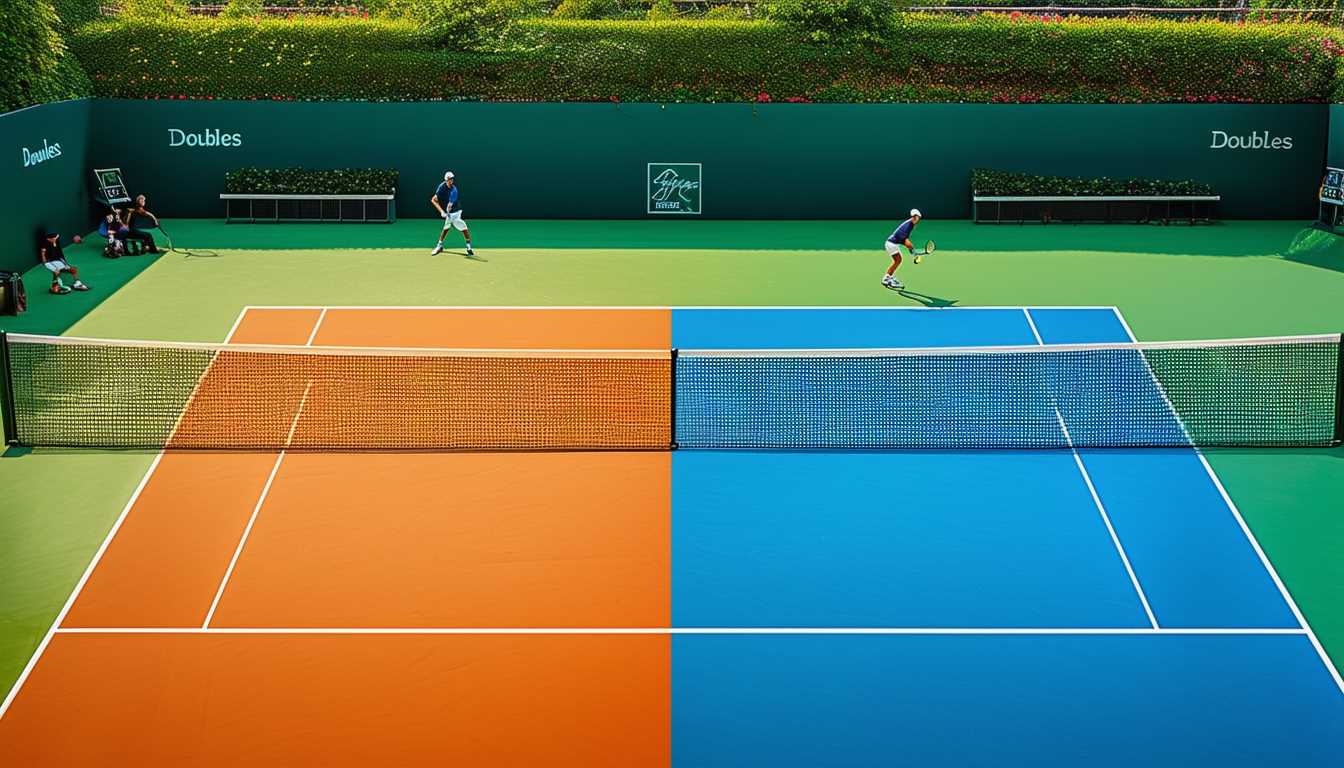
One of the biggest differences is the size of the court. In doubles, the court is wider because the alleys on each side are considered in play, which is not the case in singles. This means players have more ground to cover in doubles, adding an extra layer of challenge.
When it comes to serving, in doubles, the team serving has to decide who will serve first at the beginning of the set, and this order must be followed throughout the set. Also, after the first game, the opponents get to serve, and the order of serving continues to alternate between teams. Plus, in doubles, players need to take turns serving in each game and switch the order of serving with each new set.
Scoring in both singles and doubles follows the traditional format of games, sets, and matches, but doubles has an additional rule for deuce situations. In professional doubles, the ‘no-ad’ scoring system is often used, which means if a game reaches deuce (40-40), the next point wins the game, adding pressure and excitement.
Understanding these differences is key for players to adjust their strategies, whether it’s covering more ground in doubles or mastering the serve in singles. For fans, it makes watching the sport even more interesting, as they can appreciate the tactical shifts and teamwork in doubles compared to the individual prowess in singles. So, whether you’re playing or watching, knowing these rules enhances your tennis experience.
Court Dimensions and Usage
Tennis courts are designed for both singles and doubles matches, each with distinct boundary lines to accommodate the different styles of play. For singles, the court is narrower, using lines closer to the center, measuring 27 feet in width. In contrast, doubles matches utilize the full width of the court, which is 36 feet. This variation in size directly affects how players strategize and move during a game.
A tennis court is 78 feet long, and the width varies depending on the match type. This size difference means players must adjust their strategies and movements. In singles, players often focus on precision, aiming to hit the ball into tighter spaces. Meanwhile, doubles play requires more emphasis on teamwork and covering a larger area.
Understanding the court dimensions is crucial for players. It influences where they serve, how they position themselves, and the types of shots they choose. For example, a player might aim a serve down the wider doubles sideline to pull an opponent off the court, creating space for the next shot.
Serving Rules Explained
In tennis, the serve kicks off the game and plays a crucial role in shaping the rally that follows. The rules for serving differ slightly between singles and doubles matches, but the goal remains the same: to start the play effectively.
In singles matches, players have the choice to serve from anywhere behind the baseline. The target is the service box diagonally opposite to where they stand. The main rule is that the ball must land within this box. If it doesn’t, it’s considered a fault. This rule ensures that the serve is fair and sets a clear target for players to aim for.
Doubles matches follow the same basic serving rules, but there’s an added layer of strategy. Players need to be mindful of where their partner is positioned and aim their serves to challenge their opponents’ weak points, all while making sure the ball lands within the correct service box. This adds a level of complexity and requires players to have a good understanding of angles and teamwork.
For example, if an opponent struggles with backhand returns, a server might aim for the backhand side of the service box. This strategic decision can give the serving team an advantage in the rally.
The serving rules in tennis emphasize precision, strategy, and teamwork in doubles. They ensure the game starts fairly and challenge players to use their skills right from the start. Whether you’re playing singles or doubles, mastering the serve is key to a strong game.
The Role of the Alley
The rules about serving in tennis highlight the important role of the alley in both singles and doubles games. For singles, the alley is out of bounds. This means players have to be more precise and strategic with where they place their shots because they have less room to work with. It’s like playing on a tighter stage, where every move needs to be carefully planned.
On the other hand, in doubles matches, the alley is part of the game. It makes the court wider, giving players more space to use. This change encourages players to be bolder with their shots, aiming for angles that wouldn’t be possible in singles play. It opens up the game to more strategic depth, allowing for intricate plays across the wider court.
To put it simply, whether the alley is in play or not changes how tennis is played. In singles, the focus is on precision and making sure every shot counts within a narrower area. Doubles games invite a more aggressive style, where players can use the extra space to their advantage, setting up shots that challenge their opponents in new ways.
Imagine trying to pass a narrow hallway with obstacles versus running through a wide-open field. That’s the difference the alley makes in tennis. In singles, it’s about navigating that hallway without touching the sides. In doubles, it’s about using the whole field to make plays that catch the other team off guard.
This aspect of tennis strategy is fascinating and adds a layer of complexity to the game. Whether you’re watching a match or playing yourself, understanding the role of the alley can give you a deeper appreciation for the skills and tactics players use to win.
Scoring System Variations
Tennis scoring varies between singles and doubles, adapting to the strategic needs of each game type. Both singles and doubles follow the basic scoring structure of games, sets, and matches. However, doubles matches often use the ‘no-ad’ scoring system to speed up the game. This means that when the score reaches deuce (40-40), the next point wins the game, removing the need for a two-point lead. This change adds pressure, demanding quick, strategic thinking that’s different from the endurance and pace control emphasized in singles play.
For example, in a doubles match using ‘no-ad’ scoring, a team might decide to focus on aggressive serves or net play to win the crucial point at deuce. This strategy contrasts with singles play, where players might focus more on wearing down their opponent over several points to gain an advantage.
The ‘no-ad’ system highlights the importance of adaptability and teamwork in doubles. It creates a fast-paced environment that requires players to make split-second decisions. This can make doubles matches particularly exciting to watch, as the outcome of games can hinge on a single point more frequently than in singles matches.
Understanding these scoring differences is key for players and coaches alike. For those looking to improve their doubles game, focusing on practice drills that simulate the high-pressure scenarios of ‘no-ad’ scoring could be beneficial. Tools like pressure-point practice balls or strategy-focused coaching sessions can help players develop the quick decision-making skills needed to thrive in this format.
Communication and Strategy
In doubles tennis, working well with your partner and having a clear plan is key to winning, especially in intense matches. Unlike playing alone, where you make all the decisions, playing in a team of two means you need to work together smoothly. You and your partner must talk to each other, sometimes without words, to decide on your next moves, like who hits the ball next or how to outsmart the other team. It’s important to know each other’s strong and weak points, and what the other team is likely to do.
For example, you might need to quickly decide during a game if one of you should stay near the net or if it’s a good time to target an opponent’s weaker backhand. Making these decisions fast can make all the difference. Doubles tennis is not just about being physically strong but also about thinking as one with your partner. This makes the game not just challenging but also really satisfying when you win together.
Let’s say your partner is great at serving, and you’re quick at the net. Before the match, you could plan to use this combination to your advantage, like having your partner serve to a specific spot that makes it easy for you to score at the net. During the game, if you notice the opponents are catching on, you might switch roles or change your strategy. This kind of teamwork and quick thinking is what sets the best doubles teams apart.
In essence, doubles tennis combines physical skill with teamwork and smart strategy. Whether you’re deciding on your next move or figuring out how to beat your opponents, being in sync with your partner is crucial. And when you get it right, it’s not just about winning the game; it’s about the unique satisfaction that comes from working together perfectly as a team.
Conclusion
To sum it up, playing tennis alone versus with a partner brings a few key changes. The court is bigger in doubles because of the alleys on the sides, the way you serve is different, and the rules for scoring can change too. Plus, talking and planning with your partner is a big part of doubles tennis. All these changes mean players need to be flexible and smart in how they play.
It really shows how tennis isn’t just about hitting the ball; it’s also about thinking and adapting. Whether you’re playing by yourself or with a partner, tennis asks you to use both your body and your brain. This look into the differences between singles and doubles tennis sheds light on the cool and complex aspects of the game, showing just how much thought goes into every match.