The Evolution Of Tennis Racket Tech
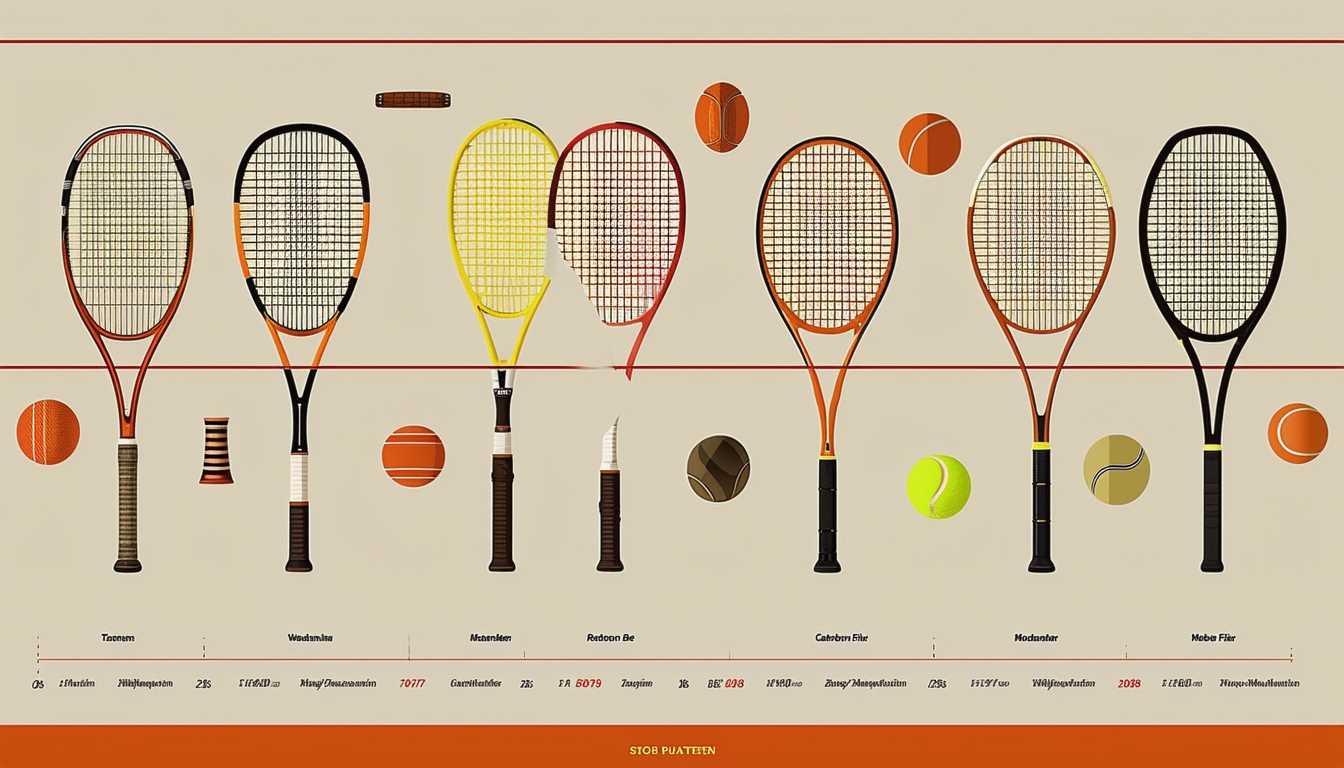
The development of tennis racket technology has come a long way since the early days of wooden rackets. Today, we have advanced graphite models that significantly improve how players perform.
In each period of the sport’s history, new innovations in rackets have not only helped players but also changed how competitive tennis is played. We’ve moved from the simple metal frames to the revolutionary use of graphite and even more.
This makes us wonder, what’s next for tennis racket design? How will technology keep changing the game we love? Let’s dive into how future developments in racket technology might continue to influence tennis.
Early Days of Wooden Rackets
Tennis began in the 12th century, but it wasn’t until the late 1800s that wooden rackets really changed the game. These rackets brought a new level of precision and skill to tennis. Craftsmen of that era put a lot of effort into making each racket. They mainly used ash and hazel wood because these materials were strong and helped players hit the ball effectively.
Making these rackets was an art. The craftsmen paid close attention to how the racket felt in a player’s hand and how well it could hit a tennis ball. They knew that the balance and weight of the racket were crucial for good performance. This attention to detail in the early days of racket design taught future generations the importance of these factors in making a good tennis racket.
For example, a well-balanced racket allows for better control and precision when hitting the ball. This understanding from the wooden racket era is still applied today, even though modern rackets are made from different materials like carbon fiber.
In conversation, when we talk about the evolution of tennis rackets, we can appreciate how much the game has evolved due to these early innovations. Imagine playing with a heavy wooden racket today! It’s fascinating to see how the principles of balance and weight distribution from the past still influence the design of modern tennis rackets, making them more effective and easier to use.
Introduction of Metal Frames
The switch from wooden to metal tennis rackets in the 20th century was a major step forward for the sport. Before this change, players used wooden rackets, which were heavier and not as durable. Metal frames, starting with aluminum, changed the game. They were lighter, stronger, and allowed players to hit the ball with more power and precision. This wasn’t just a small update; it was a complete transformation in how tennis rackets were made and how the game was played.
Metal rackets made it easier for players to control their shots and play more aggressively. Imagine being able to swing faster without tiring your arm quickly, or hitting the ball so hard that your opponent struggles to keep up. This was the new reality with metal rackets. They brought a level of performance that wooden rackets couldn’t match, making the game more dynamic and competitive.
This change also had a big impact on tennis strategies. Players began to develop new techniques that took advantage of the speed and accuracy metal rackets provided. It wasn’t just about hitting the ball back and forth; it was about finding new ways to outmaneuver your opponent.
The introduction of metal frames in tennis rackets is a perfect example of how innovation can revolutionize a sport. It’s similar to how graphite and other materials are used today to create even lighter and more powerful rackets. These advancements continue to push the limits of what athletes can achieve, making each match more exciting than the last.
The Graphite Revolution
The switch to graphite frames in tennis rackets was a game-changer. Before this switch, players had to choose between heavy wooden rackets or metal ones that offered more durability but lacked in performance. Graphite, a type of carbon that’s both strong and lightweight, changed all that. It allowed for the creation of rackets that were not just lighter, but also stronger. Players could hit the ball harder without losing control, thanks to the improved design of these rackets.
Graphite’s introduction meant that manufacturers could get creative. They started producing rackets in different shapes and sizes, and even adjusted the tension to suit various playing styles. Whether you were a beginner or a professional, there was a racket that could meet your specific needs. This level of customization was unheard of with wooden or metal rackets.
This evolution in racket technology significantly impacted the game. Players could now serve faster, hit more powerful returns, and control their shots with greater precision. This didn’t just change how the game was played; it made tennis more exciting to watch and participate in.
For those looking to experience the benefits of graphite technology, brands like Wilson and Babolat offer a wide range of options. The Wilson Pro Staff and Babolat Pure Drive are excellent examples of graphite rackets that blend power, control, and durability, making them suitable for players at various levels.
Innovations in String Technology
The revolution in tennis strings has significantly changed the game, much like the impact of graphite on rackets. These advanced strings, made from materials like polyester, nylon, and natural gut, bring unique advantages to players. For example, polyester strings are known for their strength and the incredible spin they allow players to generate. This makes them perfect for those who dominate from the baseline with powerful shots. Meanwhile, natural gut strings stand out for their elasticity, offering excellent power and a sensitive feel, which is ideal for players who prioritize precise control over their shots.
Moreover, the strategy of mixing different types of strings, known as hybrid stringing, highlights the creativity in optimizing tennis equipment. By choosing specific strings for the mains and crosses of a racket, players can tailor their gear to match their style perfectly, enhancing their performance on the court.
This continual innovation in string technology not only demonstrates the evolving nature of tennis but also underscores the importance of matching equipment to playing style. For players looking to improve, experimenting with different strings can be as crucial as perfecting their swing. For instance, those struggling with control might try a racket strung with natural gut, while players looking to add spin could benefit from polyester strings.
In essence, the advancements in string technology have opened up new possibilities for tennis players, allowing them to play at their best. Whether it’s the durability and spin from polyester or the control and power from natural gut, there’s a string out there that can help any player elevate their game.
Future Trends in Racket Design
The tennis world is on the brink of a revolution, thanks to the latest advancements in racket technology. In the near future, we can expect to see rackets that are not only smarter but also more personalized to fit each player’s unique style and needs. One of the most exciting developments is the introduction of smart sensors and Internet of Things (IoT) connectivity. Imagine having a racket that can instantly give you feedback on your swing speed, the force of your ball impact, and even the spin you’re putting on the ball. This isn’t just about getting data; it’s about using that information to tweak your game in real-time, ensuring that your equipment aligns perfectly with your technique.
But it’s not all about the electronics. The materials used to make tennis rackets are also getting a major upgrade. Scientists are working on new composites that are lighter and stronger than anything we’ve seen before. These materials promise to make rackets more durable, so they can take a beating on the court without losing their playability. This is great news for all players, from seasoned pros to beginners who are just picking up a racket for the first time. It means that everyone can enjoy a high-quality playing experience, with equipment that helps rather than hinders their game.
What’s really compelling about these advancements is how they merge cutting-edge technology with the timeless spirit of tennis. This blend of the old and the new is set to make the sport more accessible and enjoyable for everyone. Whether you’re aiming to go pro or just looking for a fun way to stay active, the next generation of tennis rackets will help you hit your stride on the court.
For those eager to get ahead of the curve, keep an eye out for brands that are leading the way in smart racket technology. Companies like Babolat and Wilson have already started integrating sensors into their rackets, offering players a glimpse into the future of the sport. As these technologies become more mainstream, we can expect to see a wider range of products tailored to different playing styles and preferences, making it easier than ever to find the perfect racket.
Conclusion
The way tennis rackets have changed over time has really made a difference in how the game is played. We started with wooden rackets, moved on to metal ones, and now most players use rackets made from graphite composites.
There’s also been a lot of progress in how the strings are made, which helps players hit the ball with more accuracy and power. Looking ahead, we can expect to see even more improvements.
Racket designers are likely going to focus on making them out of even better materials, tweaking their shape for better performance, and finding ways to customize them for each player’s unique style. This means we’re in for some exciting times in tennis, with all these advancements taking the game to a whole new level.