The Grand Slam Tournaments Held On Grass Courts
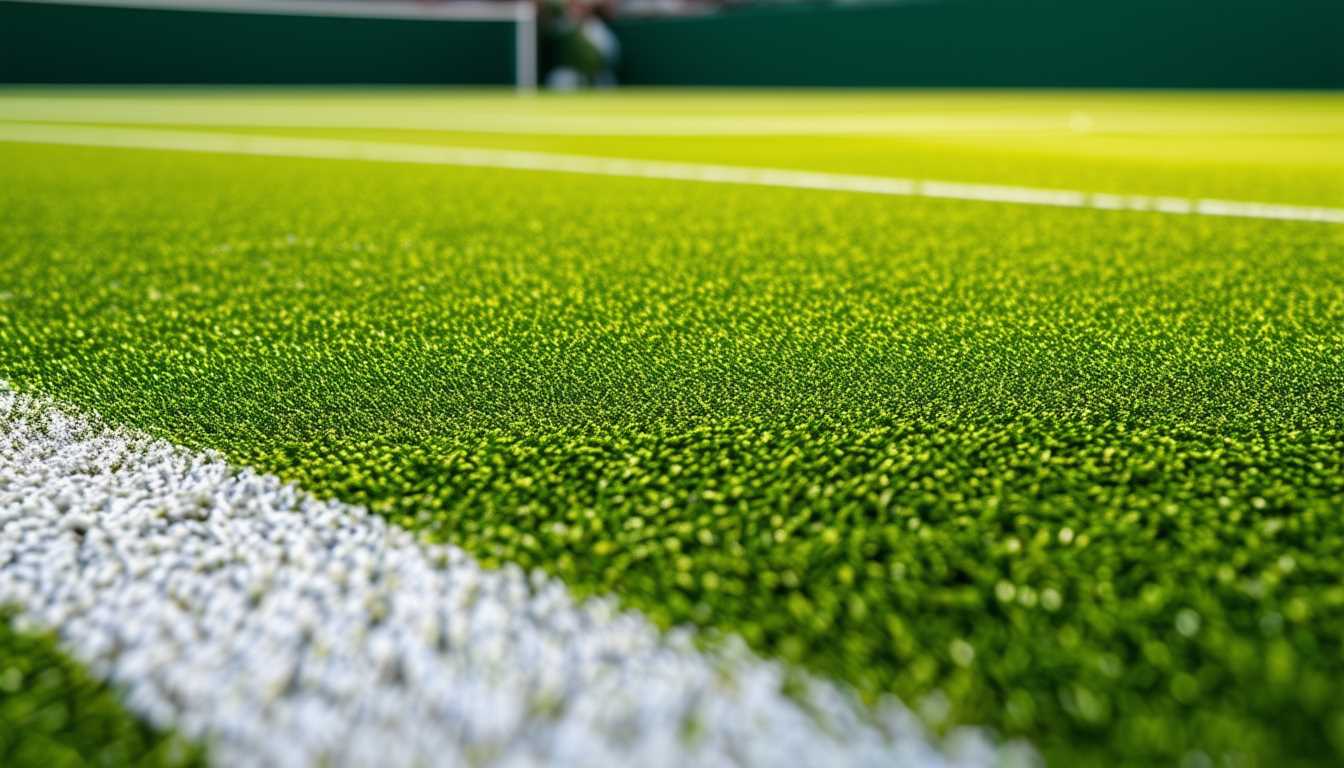
Wimbledon stands out as the only Grand Slam tournament played on grass, making it truly special in the world of tennis. This prestigious event has been the backdrop for some of the sport’s most memorable matches and has helped create tennis legends.
Let’s dive into what makes Wimbledon so unique, its impact worldwide, and the famous players it has helped shape. We’re excited to discuss and uncover more about this historic tournament’s lasting legacy, and we welcome everyone interested in tennis to join the conversation.
The Unique Charm of Wimbledon
Wimbledon is renowned for being the only major tennis tournament played on grass, setting it apart from other grand slam events. Its prestige comes not just from the unique playing surface but also from a rich history and traditions that date back to its founding. One such tradition is the all-white dress code for players, a rule that adds to the tournament’s distinct elegance. Another is the presence of the Royal Box, reserved for dignitaries, which underscores the event’s high societal regard.
The tournament takes place at the All England Lawn Tennis and Croquet Club in London, known for its exceptional grass courts. These courts are famous for creating fast-paced games that test the agility and skill of the world’s best tennis players, making matches exciting for both participants and spectators.
Wimbledon’s charm goes beyond its physical aspects; it’s about celebrating the roots of tennis while maintaining a level of prestige that every player aspires to reach. Winning Wimbledon is considered a crowning achievement in a player’s career, highlighting their mastery on one of the most challenging surfaces in the sport.
Evolution of Grass Court Play
The way players approach grass court tennis has significantly changed over time due to technology advancements and changes in tactics. In the past, grass courts were the perfect stage for serve-and-volley players. This style thrived on the surface’s quick, low bounces, making it easier for players to win points at the net and making matches fast-paced. However, as racquet technology evolved and the maintenance of grass courts improved, these courts started to allow for slower ball speeds. This shift meant that players could now engage in longer rallies, opening the door for those who prefer playing from the baseline to shine on grass.
This transformation in the game has required players to fine-tune their skills, combining power and precision in their shots while also being quick and strategic in their movements. Today, playing on grass is not just about having a strong serve or being quick to the net; it’s about understanding the rhythm of the game and adapting your strategy to outmaneuver your opponent. This adaptation has made matches on grass more dynamic and interesting, showcasing a broader range of skills.
For example, players like Roger Federer have excelled on grass by mastering a mix of serve-and-volley play and powerful baseline rallies. His success on this surface is a testament to the evolution of grass court play, where versatility and adaptability are key. For aspiring players, investing in a good quality grass-court tennis shoe that offers both grip and flexibility, such as the NikeCourt Air Zoom Vapor, can make a significant difference in their performance on the court.
Legends Born on Grass
Grass courts have always been a fascinating aspect of tennis, providing a unique challenge that only the best can conquer. The nature of grass court play demands speed, precision, and a strong serve-and-volley game. This requirement has shaped some of the greatest tennis players in history. For example, Roger Federer is renowned for his exceptional performance on grass, having secured a record number of Wimbledon titles. His success is a testament to his agility, strategic serving, and volleying capabilities, which are essential for winning on this surface.
Similarly, Martina Navratilova’s dominance at Wimbledon is another example of how a player’s skill set must adapt to excel on grass. Her achievements highlight the need for precision and strategic play, characteristics that are crucial for success on grass courts. These players didn’t just adapt to the surface; they mastered it, setting new benchmarks in the sport and inspiring future generations to innovate and elevate their game.
Understanding the dynamics of grass court play can significantly impact a player’s approach to the game. For aspiring tennis players looking to improve their performance on grass, focusing on enhancing their serve-and-volley techniques and agility can be beneficial. Training programs that emphasize these aspects, along with strategic gameplay, can help players adapt to the fast-paced nature of grass courts.
Iconic Matches and Moments
Grass court tennis, known for its fast-paced and strategic gameplay, has given us unforgettable matches that highlight exceptional athleticism and tactical prowess. The 2008 Wimbledon final between Rafael Nadal and Roger Federer is a prime example. This nearly five-hour-long battle pushed both athletes to their limits, showcasing not just their rivalry but the demanding nature of playing on grass. Grass courts are known for their quick ball speeds and low bounces, challenging players to adapt their strategies and physicality.
Another historic match that took place on grass was the 1980 Wimbledon final between Björn Borg and John McEnroe. It’s famous for its intense tie-break, illustrating the mental challenges players face on this surface. This match, like the one in 2008, serves as a critical study in the evolution of tennis strategies on grass courts. Players must constantly adjust their game to succeed, making these matches excellent examples of adaptability and resilience.
Both of these matches, through their intensity and the skill level displayed, help us appreciate the unique aspects of grass court tennis. They demonstrate not just the physical endurance required but also the mental fortitude to compete at such a high level. Watching these matches, fans and aspiring players alike can gain insights into the strategic adjustments necessary for success on grass courts.
In conversation about grass court tennis, these matches are often referenced not just for their historical significance but for the lessons they teach about the game. They highlight the importance of adaptability, strategic planning, and mental toughness, elements crucial for any player aspiring to excel on grass courts.
Wimbledon’s Global Impact
Wimbledon stands as more than just a tennis tournament; it’s a global phenomenon that influences the sport and culture worldwide. Known as the ultimate grass court competition, Wimbledon boosts the careers of the tennis players who grace its courts and increases tennis’s popularity across the globe. The tournament is famous for its unique traditions, like the requirement for players to wear all-white attire and the serving of strawberries and cream to spectators, which have become symbols of Wimbledon’s rich blend of sporting excellence and cultural tradition.
In addition to honoring traditions, Wimbledon shows a commitment to progress through innovations like installing a retractable roof on Centre Court. This move not only allows play to continue regardless of the British weather but also signals Wimbledon’s leadership in evolving the game of tennis. The tournament’s extensive media coverage plays a crucial role in its global impact, making Wimbledon a significant factor in the sport’s worldwide popularity and financial success.
For example, the introduction of the retractable roof on Centre Court was a game-changer. It meant that rain couldn’t stop play, a common issue in the UK, ensuring fans and players alike would get the most out of the tournament. This kind of innovation keeps Wimbledon at the forefront of tennis, showing it’s about more than tradition; it’s about leading the sport into the future.
Wimbledon’s global media presence is another key aspect. The tournament is broadcast worldwide, allowing millions of fans to tune in and watch the matches live. This widespread coverage not only brings the excitement of Wimbledon into homes around the world but also attracts global sponsors and advertisers, contributing to the commercial success of the sport.
In essence, Wimbledon is a cornerstone of the tennis world, offering a perfect mix of tradition and innovation. Its impact extends far beyond the boundaries of the UK, enriching the global tennis community and ensuring the sport continues to thrive on the international stage.
Conclusion
Wimbledon stands out as the only major tennis tournament played on grass, making it a special event in the tennis world. It’s not just about the history or the prestige; playing on grass brings unique challenges that have shaped some of the most memorable moments in tennis.
Wimbledon’s influence goes way beyond its location in London, affecting how tennis is played and followed all over the globe. This tournament is a big deal not just because it’s old or famous, but because it continues to shape the sport of tennis in significant ways.