Using Orange Balls For Beginner Tennis
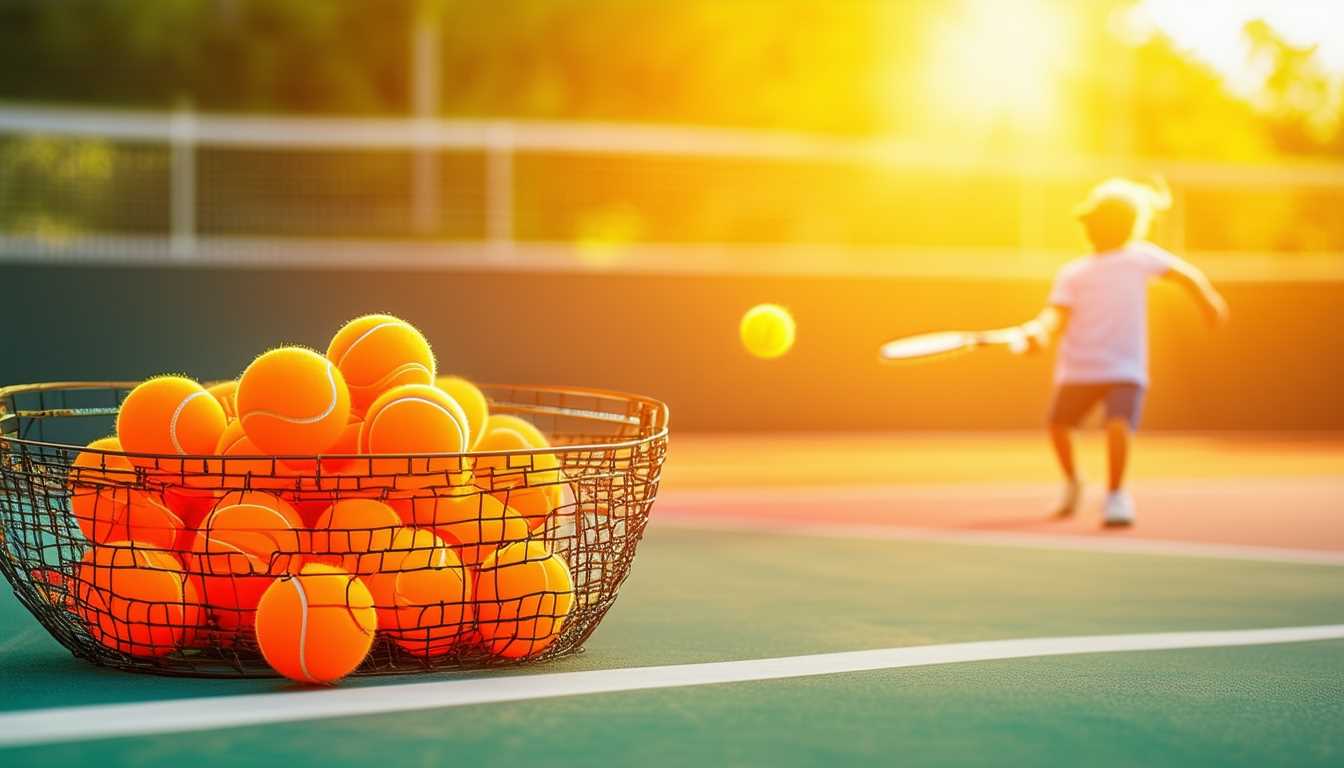
In tennis, it’s really important to match the gear with the player’s skill level, especially for beginners.
One cool tool that helps newcomers is the orange tennis ball. These balls are special because they move slower and don’t bounce as high. This means players can have longer rallies and get better at their game.
Let’s talk about why these balls are great for learning and how you can use them in your practice sessions to improve faster.
The Basics of Orange Balls
Orange balls are a game-changer for tennis beginners, making it easier and more fun to learn the sport. These balls are a key part of the International Tennis Federation’s initiative to open up tennis to people of all ages. What makes orange balls special is their lower internal pressure. This means they move slower and don’t bounce as high as the standard yellow tennis balls. Why does this matter? It gives players extra time to get into position and hit the ball correctly, which is crucial when you’re just starting.
Not only do these balls help with timing and technique, but their bright orange color also makes them easier to see. This helps players keep their eyes on the ball, an essential skill in tennis. Think of it this way: if you’re learning to catch, a bigger, brighter ball is much easier to manage. Orange balls serve a similar purpose in tennis, making every shot clearer and more manageable.
Using orange balls isn’t just about making the game easier for beginners. It’s about building a strong foundation. With more time to react and better visibility, new players can focus on their form and understand the basics of the game without feeling rushed or frustrated. This solid start can make a big difference in a player’s confidence and progress.
In practice, adopting orange balls could look like starting each session with them to warm up and get a feel for hitting and moving. As confidence and skill grow, the transition to standard balls will feel more natural and less daunting. There are several brands that offer high-quality orange tennis balls designed for learners, such as Wilson and Head. These brands are known for their durability and performance, making them a great choice for beginners looking to practice and improve.
Benefits for Tennis Newbies
Using orange balls is a great tip for anyone just starting to play tennis. These balls are easier to see and move slower than the typical yellow tennis balls. This is because orange balls are less compressed, which means they bounce higher and don’t travel as fast. This gives beginners extra time to get into the right position and hit the ball more accurately. Being able to see the ball better and have more time to react helps new players work on their hand-eye coordination, an essential skill in tennis.
Let’s break down why this is so helpful. When you’re learning to play tennis, one of the first challenges is simply reacting to the ball. If the ball moves too fast, it’s easy to get frustrated and feel like you’re not making progress. That’s where the orange balls come in. Their slower speed means you have a bit more time to think about your shot and where you want the ball to go. This is crucial for building confidence on the court. As you get more comfortable with your shots, you’ll find it easier to play with the standard yellow balls later on.
Moreover, the bright orange color of these balls makes them stand out against the backdrop of the court and the sky. This makes it easier for you to follow the ball’s path as it moves, helping you to anticipate and prepare for your next move.
Think of it like learning to drive in an empty parking lot before heading onto the busy streets. It’s all about building your skills in a more controlled environment before tackling more challenging situations. In tennis, using orange balls is a similar stepping stone. It’s a practical, effective way to improve your game without getting overwhelmed.
There are plenty of brands out there that offer high-quality orange tennis balls designed specifically for beginners. While choosing, look for balls that are labeled ‘stage 2,’ as these are the ones that match the description we’ve talked about. Investing in a good set of these balls can make your learning process much smoother and more enjoyable.
Transitioning From Yellow to Orange
Moving from practicing with orange balls to using standard yellow tennis balls is an important step in a player’s development. This change should happen gradually, focusing on the player’s comfort and skill improvement. As players become more skilled in controlling the ball, timing their hits, and building strength, they can start practicing with yellow balls. Initially, incorporate yellow balls into simple exercises or brief exchanges. Then, as the players feel more confident and capable, increase their usage of yellow balls.
It’s essential to keep an eye on any signs of frustration or exhaustion in players and adjust the speed of this transition to suit their needs. Encouraging them to keep going and to be patient is crucial, as mastering the yellow ball marks a significant advancement in their tennis skills.
For example, a coach might start by including a few yellow balls in a drill that the player is already comfortable with, gradually replacing more orange balls with yellow ones as the player shows readiness. This method helps the player adjust to the different bounce and speed of the yellow balls without becoming overwhelmed.
There are no specific products required for this transition, but coaches and players should ensure they have quality tennis balls of both colors. This ensures a smooth progression and allows players to experience the difference in play without the distraction of poor-quality equipment.
Practice Drills With Orange Balls
To boost a beginner’s tennis abilities, it’s essential to incorporate drills with orange balls into their training. These balls are lighter and move slower, making them perfect for beginners to develop accurate strokes and better control. Start with basic forehand and backhand drills to enhance consistency and learn where to hit the ball. As players get more comfortable, introduce more challenging shots like volleys and overhead smashes. This progression allows players to refine their technique with each new skill.
Using orange balls for serving drills is also beneficial. Begin with simple underhand serves to focus on power and precision, then advance to more complex serving techniques. This gradual increase in difficulty helps build a strong foundation for effective serving.
Movement drills are crucial, too. They simulate real-game scenarios, teaching beginners how to position themselves on the court and improve their agility. It’s like putting them in the middle of a match, helping them understand where they need to be and when.
Throughout these drills, it’s important to keep players engaged and focused. Highlight the value of practice and patience in getting better at tennis. For example, using specific targets during serving drills or setting goals for the number of consistent shots can make practice more engaging and rewarding.
Finding the Right Equipment
Choosing the right equipment is essential for anyone starting to learn tennis. It’s not just about having something to play with; it’s about having the tools that make learning enjoyable and effective. Let’s dive into what beginners should look for.
First, when it comes to rackets, the key is to find one that’s easy to handle. A lightweight racket with a large head size is perfect for beginners. Why? Because it has a larger sweet spot, making it easier to hit the ball squarely. This is crucial for building confidence and skill. For instance, models like the Wilson Hyper Hammer 5.3 have gained popularity among beginners for their forgiving nature and ease of use.
The grip size of the racket is another important factor. It should fit comfortably in your hand. If it’s too big or too small, you’ll find yourself struggling to control your shots, which can lead to unnecessary strain. A simple way to check for the right grip size is to hold the racket handle and see if you can snugly fit your other hand’s index finger between your palm and the tips of your fingers. This ensures a comfortable grip that won’t hinder your gameplay.
Now, let’s talk about tennis balls. Beginners should opt for orange balls. Unlike the standard yellow ones, orange balls are slower and bounce lower, giving you more time to react and control your shots. This small adjustment can make a significant difference in how quickly you improve, making the game more enjoyable as you learn.
Footwear is another critical aspect. Tennis requires a lot of quick movements and changes in direction, so shoes that provide good support and grip are vital. They help prevent injuries and keep you stable on the court. Brands like Adidas and Nike offer tennis shoes designed for different types of courts, ensuring that players have the right support and traction.
Conclusion
To sum it up, using orange tennis balls really helps beginners get better, faster. They slow the game down a bit, making it easier for new players to work on their swings and build up their skills. Moving from a beginner to a more intermediate player becomes less daunting with these balls. Plus, they help build confidence and make learning more effective.
When practice drills include orange balls, players find it easier to improve, laying down a strong foundation for their game. So, it’s pretty clear that having the right gear, like orange balls, is super important for creating a positive and effective learning space in tennis.